Your roof is more than just shingles on top of your home. It protects your family, keeps the weather outside, and plays a huge role in energy efficiency. But what happens when your roof ages or suffers damage from storms, heat, or leaks? Replacing a roof may sound overwhelming, especially in areas like Los Angeles and Riverside where homes face unique climate challenges.
This step by step guide walks you through the roof replacement process in Los Angeles and Riverside, explains what to expect, and highlights key tips that help you save money while securing your investment. By the end, you will clearly understand each stage of roof replacement and feel confident about making informed decisions.
The Step by Step Roof Replacement Process
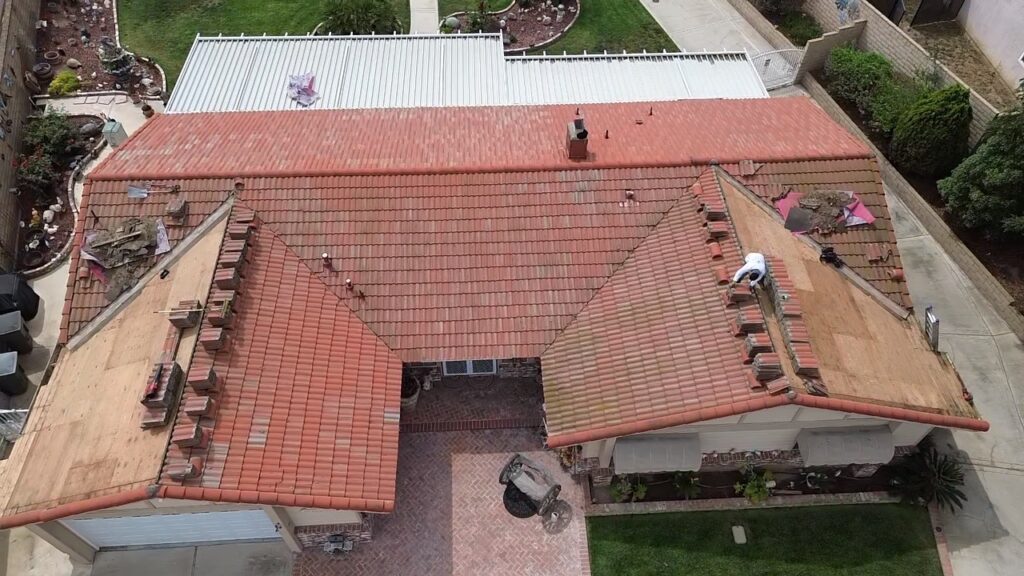
Step 1: Roof Inspection and Assessment
A professional roof replacement starts with a detailed inspection. Roofing experts check for:
- Damaged shingles or tiles
- Leaks, mold, or water stains inside the attic
- Weak spots in the underlayment
- Issues with flashing around chimneys, vents, and skylights
In Los Angeles, roofs often show signs of sun damage, while Riverside homes may face storm wear. A thorough inspection ensures the right repair or replacement plan.
👉 Related service: Roof Replacement in Los Angeles
Step 2: Choosing the Right Roofing Material
Material choice impacts durability, appearance, and cost. The most common options include:
- Asphalt shingles – Affordable and popular across Southern California.
- Tile roofing – A classic choice in Los Angeles due to style and heat resistance.
- Metal roofing – Increasingly popular for modern homes with energy efficiency benefits.
- Flat roofing systems – Common for commercial buildings and some Riverside homes.
Your contractor will recommend materials suited for both climate and home design.
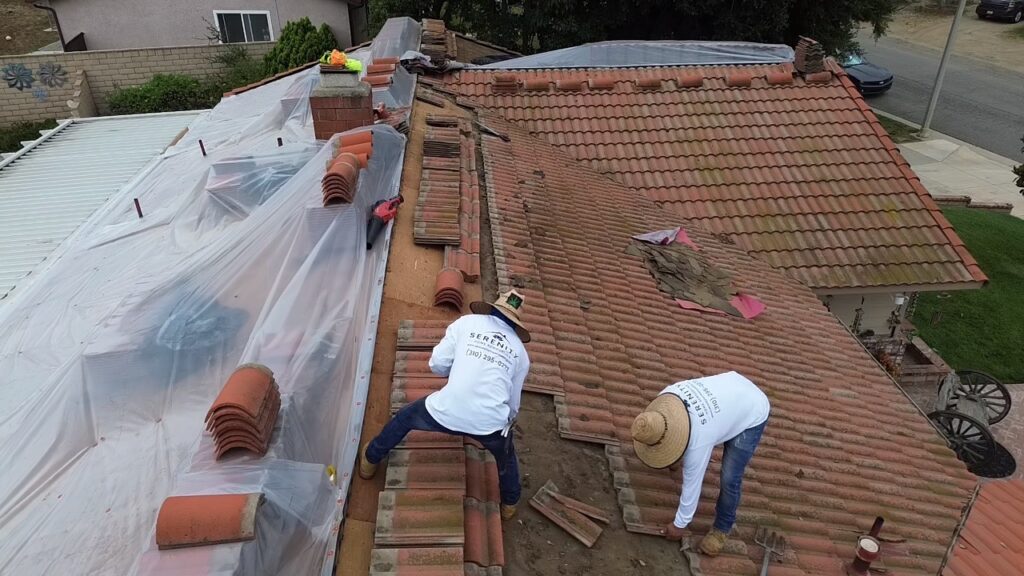
Step 3: Planning and Permits
Before work begins, homeowners need the right permits. Both Los Angeles and Riverside counties require compliance with local building codes. This ensures your new roof is safe, secure, and approved for resale value.
Many homeowners underestimate this step. However, skipping permits can cause fines or insurance problems later. A licensed contractor handles the paperwork, saving time and stress.
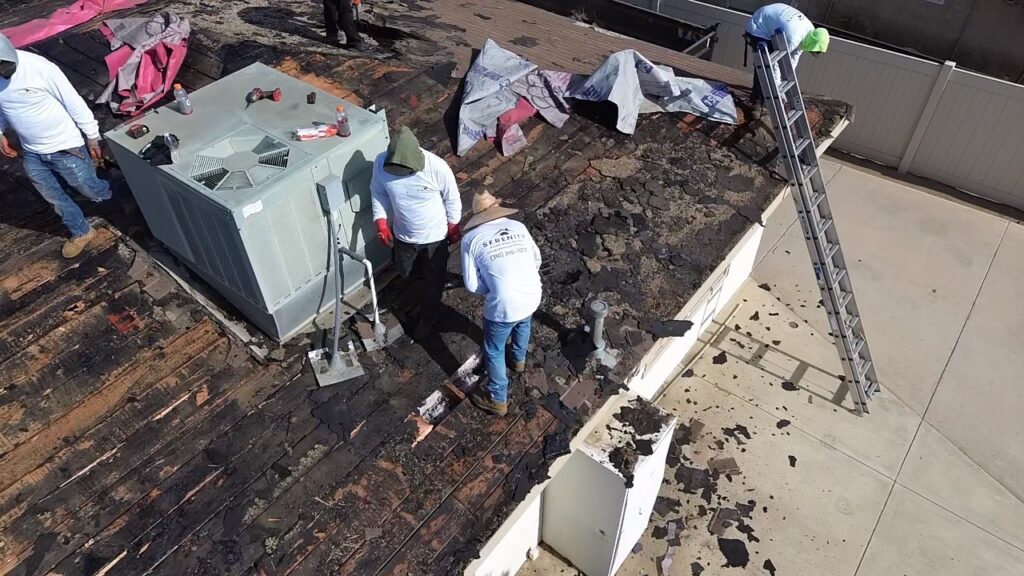
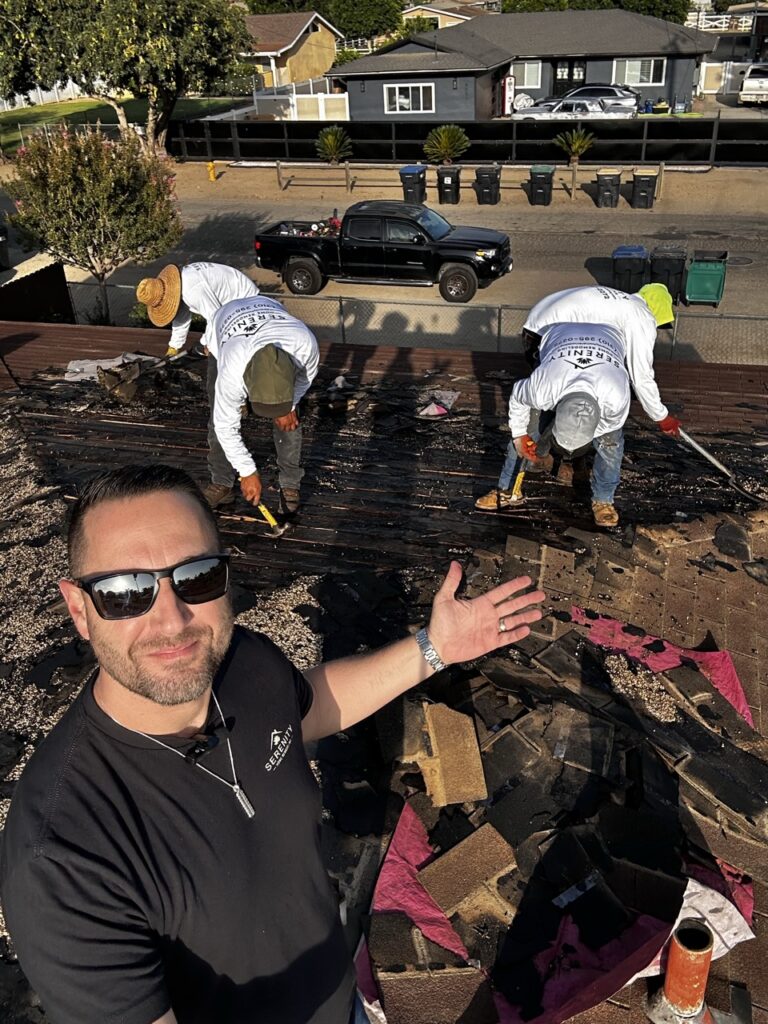
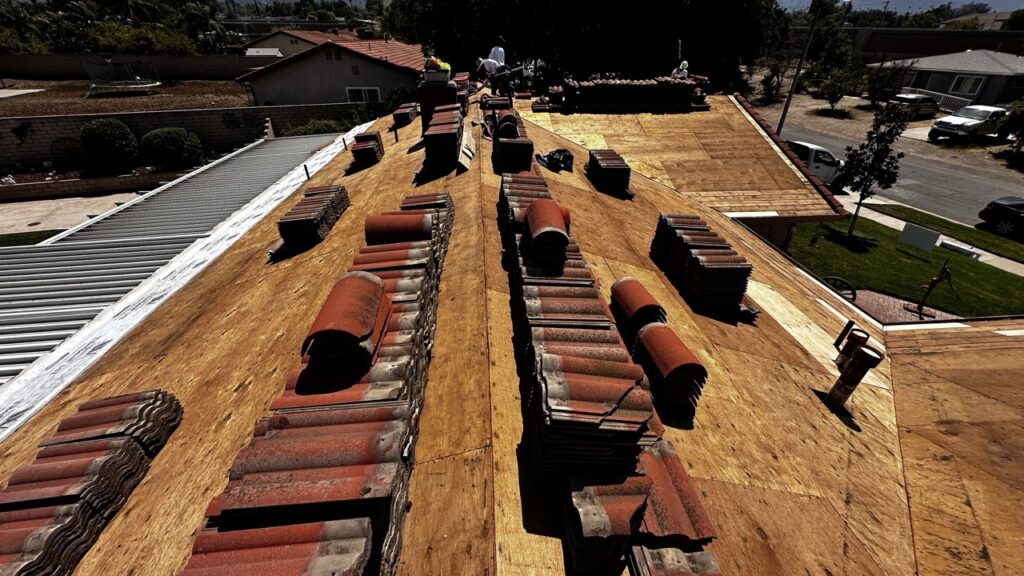
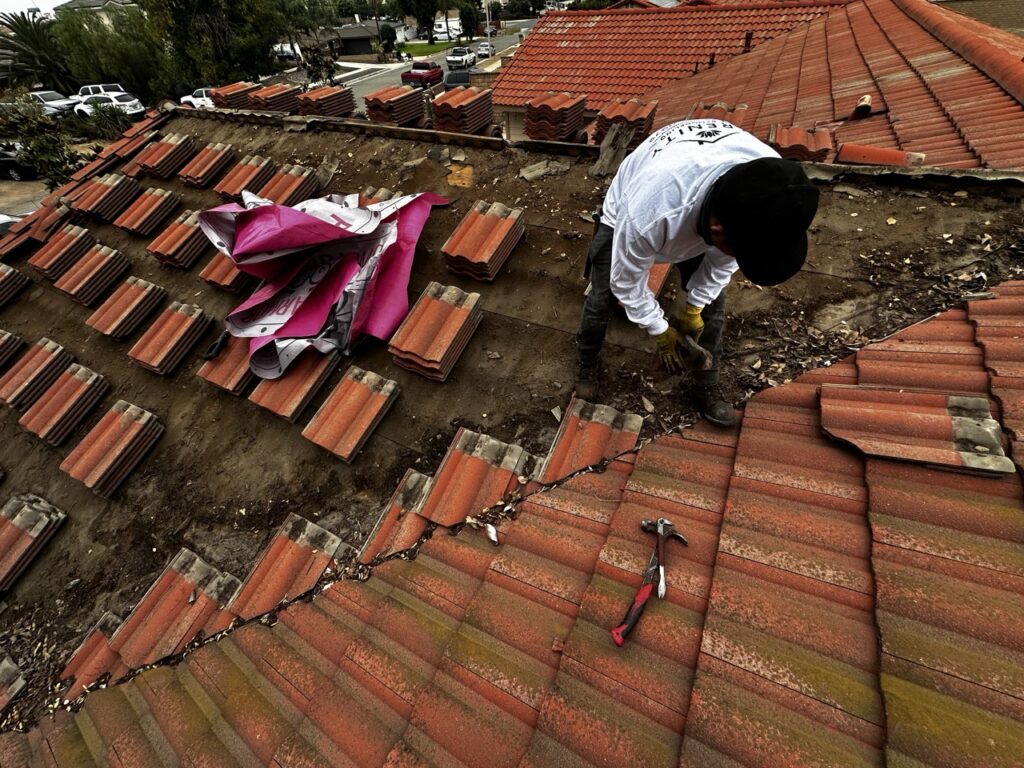
Step 4: Removing the Old Roof
Tear-off is a noisy but critical stage. Roofers remove old shingles, tiles, and underlayment to expose the roof deck. This step allows inspection for hidden damage such as wood rot or pest infestations.
Efficient cleanup matters just as much. Reputable contractors use protective tarps and magnetic rollers to collect nails and debris, leaving your property safe.
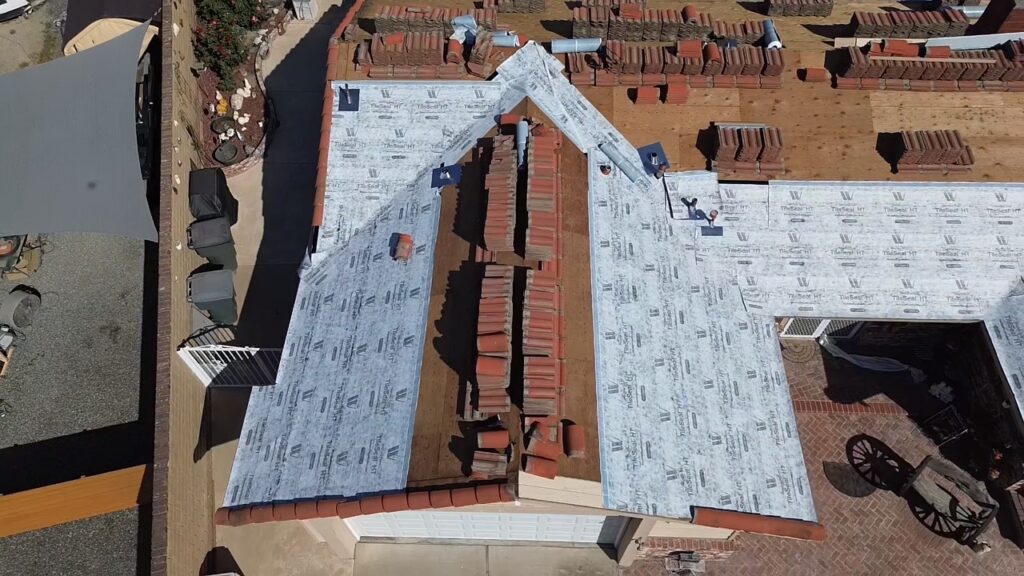
Step 5: Roof Deck Preparation
The roof deck must be smooth and stable before the new materials are installed. This includes:
- Replacing rotten or broken wood
- Installing waterproof underlayment for added leak protection
- Applying ice and water shields in vulnerable spots
This stage ensures the new roofing lasts for decades instead of years.
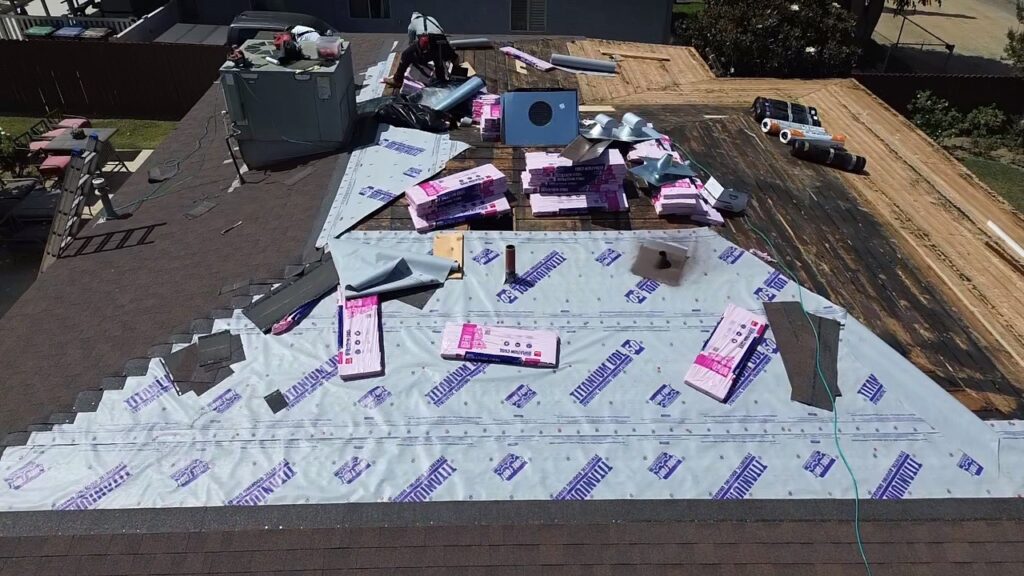
Step 6: Installing New Roofing Materials
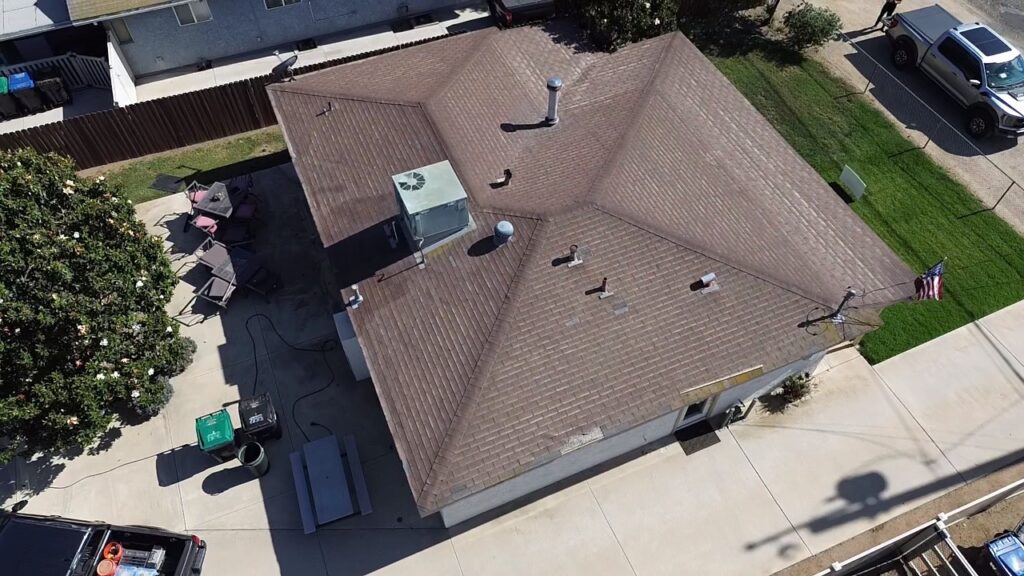
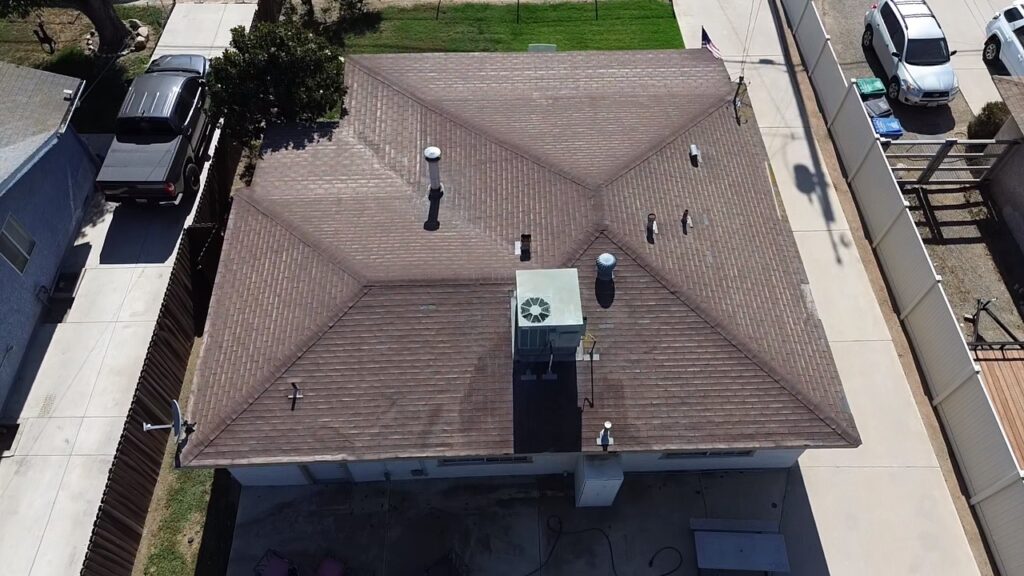
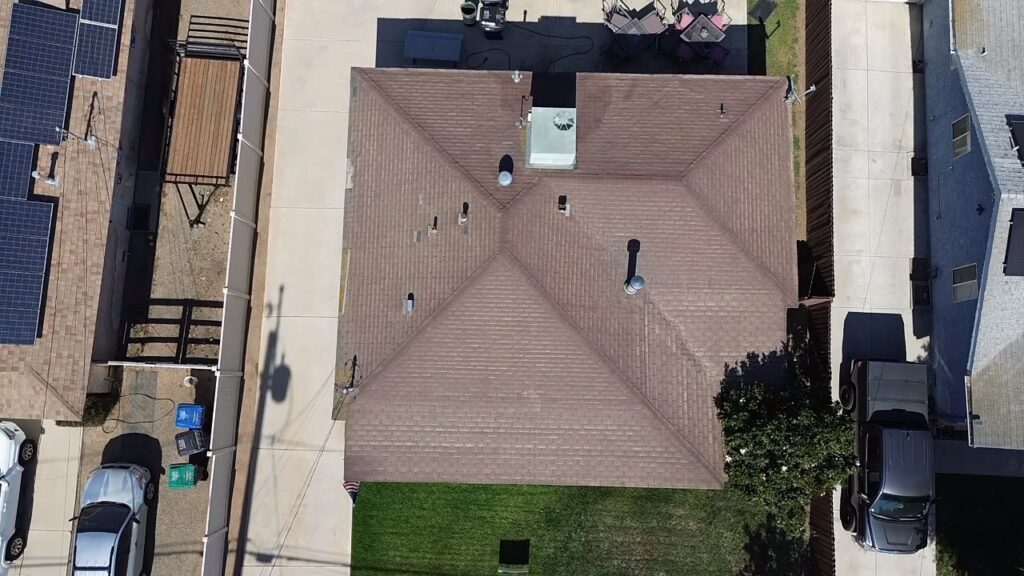
This is the most visible step. Depending on the chosen material, roofers carefully install shingles, tiles, or panels while ensuring proper ventilation and flashing.
In Los Angeles, heat-reflective materials are often recommended to reduce cooling costs. Riverside homes may benefit from reinforced underlayment due to seasonal storms.
Step 7: Final Inspection and Cleanup
After installation, the crew performs a final inspection. They check alignment, flashing, ventilation, and sealants. A professional cleanup includes sweeping the yard, driveway, and gutters.
This step guarantees not just a new roof but also peace of mind.
Benefits of Roof Replacement in Los Angeles and Riverside
- Energy efficiency – Modern roofing materials reflect heat and reduce cooling costs.
- Property value boost – A new roof increases resale value and curb appeal.
- Safety and comfort – Protects against leaks, mold, and structural issues.
- Long term savings – Prevents costly repairs by addressing problems early.
👉 Learn more about home remodeling services in Los Angeles
Cost Considerations
Roof replacement costs vary depending on:
- Square footage and slope of the roof
- Choice of materials
- Permit fees and city requirements
- Labor and complexity of installation
On average, Los Angeles roof replacements range higher due to premium materials, while Riverside projects may vary based on local contractor pricing. Always request multiple quotes and ask about warranties.
Common Mistakes to Avoid
- Delaying replacement too long – Small leaks can turn into major damage.
- Choosing the cheapest bid – Low prices often lead to poor workmanship.
- Ignoring ventilation – Proper airflow prevents moisture buildup.
- Skipping warranties – Ensure coverage for both materials and labor.
Conclusion
Replacing a roof may seem like a huge project, but when broken down step by step, it becomes manageable. From inspection and material selection to final cleanup, each stage ensures your home is safe, energy efficient, and beautiful for years to come.
If you are ready to take the next step, the experts at Serenity Home Remodeling specialize in professional roof replacement in Los Angeles and Riverside. Visit our roof replacement service page to learn more and schedule your inspection.
FAQ Section
How long does roof replacement take in Los Angeles or Riverside?
Most projects take two to five days depending on size, weather, and material.
What is the best roofing material for hot climates like Los Angeles?
Tile and reflective asphalt shingles are popular choices due to heat resistance.
Do I need a permit for roof replacement?
Yes, both Los Angeles and Riverside require permits. A licensed contractor will handle this.
Can I replace just a section of my roof?
While partial replacements are possible, a full replacement is recommended for uniformity and long term protection.
How often should I replace my roof?
The average lifespan is 20 to 30 years depending on materials and maintenance.